

Cars as Investments: Which Models Appreciate the Fastest in 2025
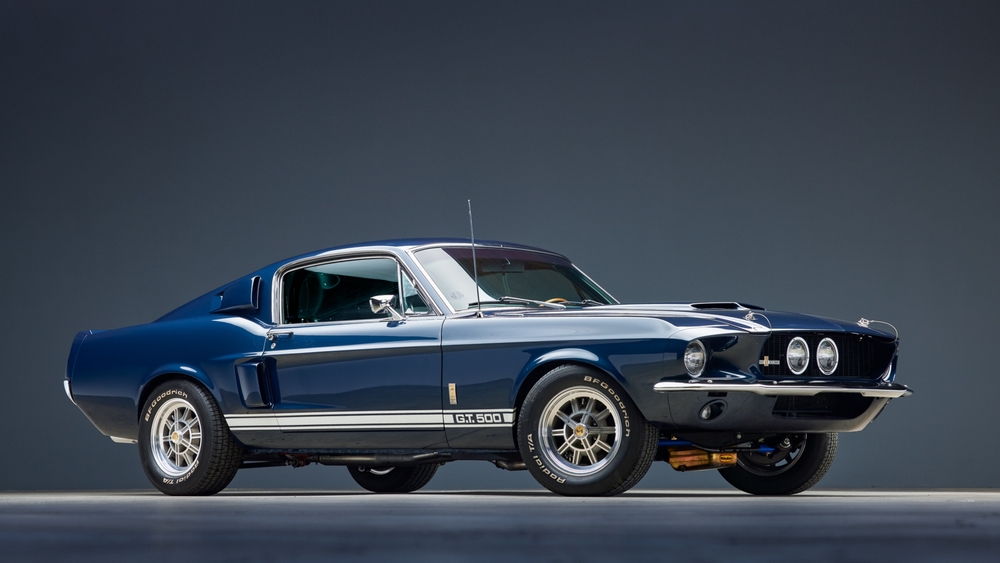
Ford Mustang Shelby GT500 — a symbol of pure muscle and 1960s freedom, the GT500 remains one of the most admired cars in automotive history.
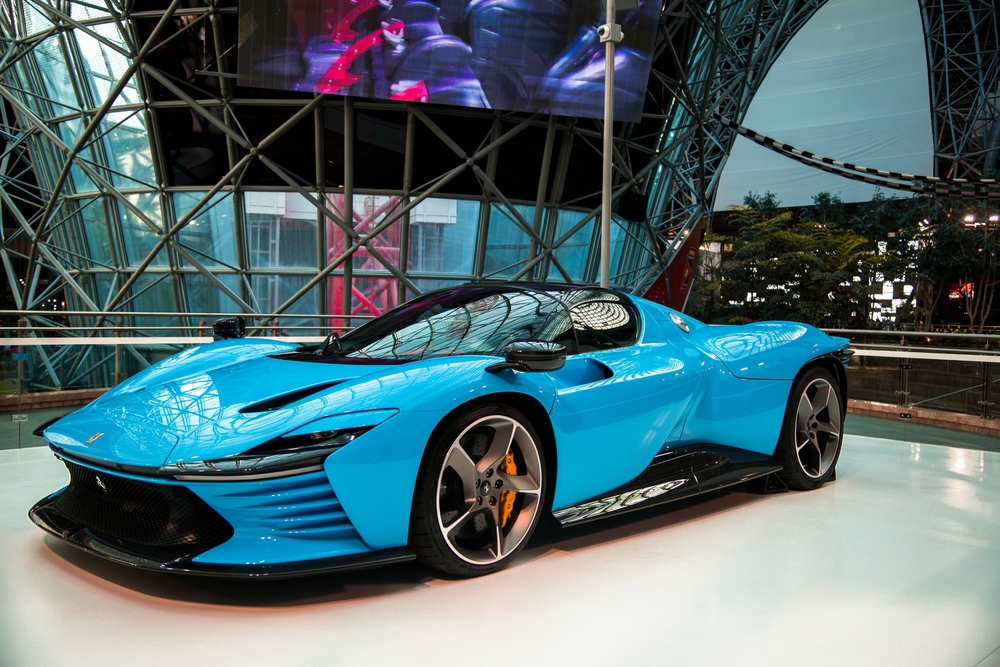
Ferrari Daytona SP3 — inspired by Ferrari’s racing legacy, the SP3 celebrates form, power, and the beauty of precision craftsmanship.
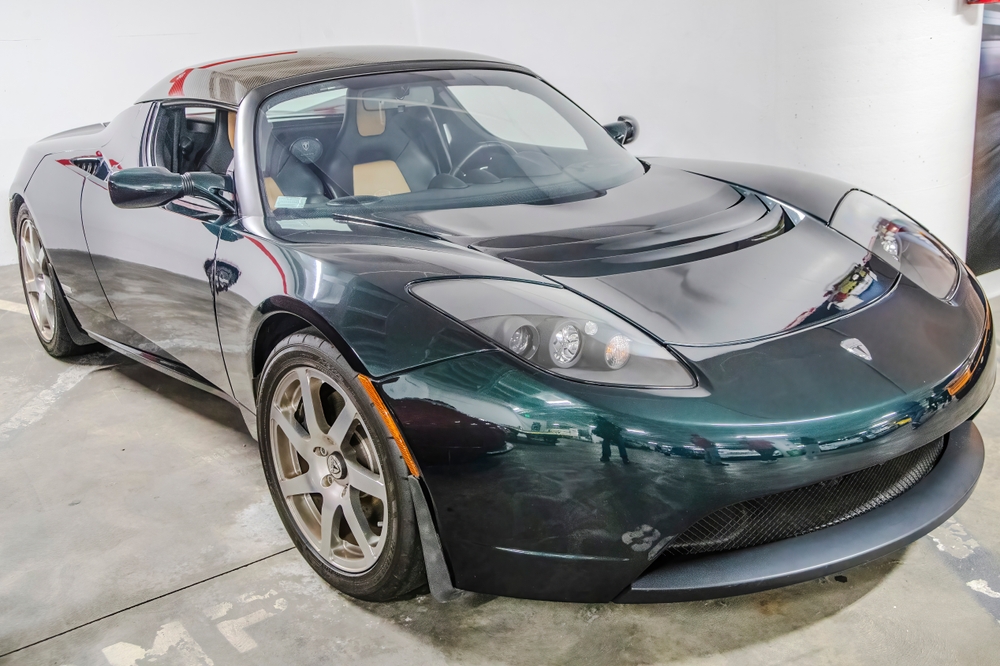
Tesla Roadster — the car that redefined performance and proved that electric mobility could be both fast and desirable.
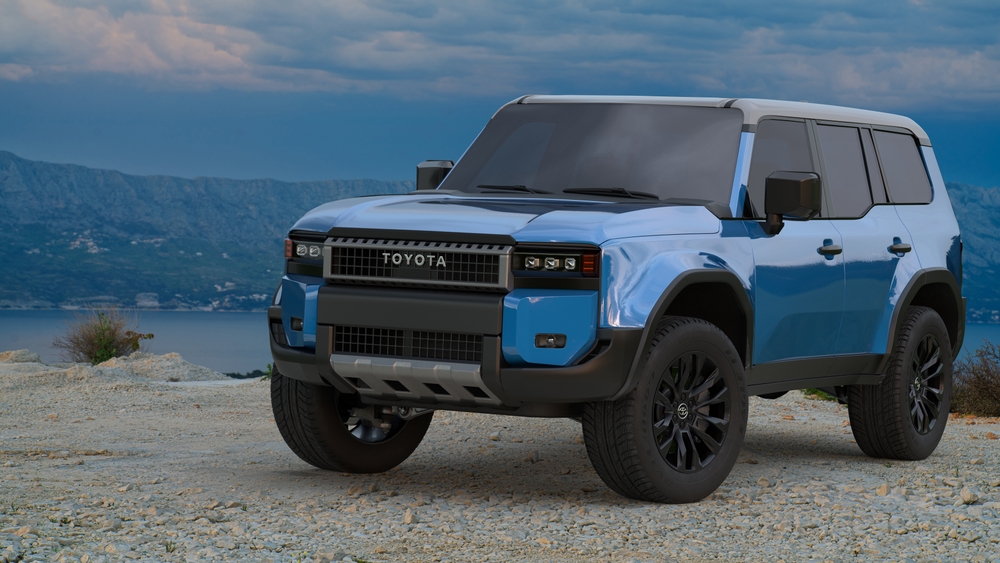
Toyota Land Cruiser — a new generation of durability and design, blending modern engineering with the timeless DNA of adventure.
From classic icons to modern limited editions — how vehicles have evolved into financial and cultural assets
“Automobiles can be as strong an investment as real estate or art when chosen wisely. Some cars not only hold their value but grow significantly year after year,” notes Avi-Meir Zaslavsky, founder of 333AutoWorld.
Unlike traditional commodities, a car’s worth is rarely defined by functionality alone. Instead, its appreciation is influenced by a combination of scarcity, craftsmanship, cultural significance, and emotional resonance.
Models produced in limited quantities tend to rise in value as availability decreases. Cars associated with key historical moments — such as motorsport victories, groundbreaking design, or celebrity ownership — often carry an intangible value that exceeds their material worth.
Brand heritage also plays a decisive role. Manufacturers with deep racing roots or consistent design philosophies, such as Ferrari, Porsche, and Aston Martin, maintain stronger collector markets than brands without a clear narrative.
Furthermore, the growing global community of collectors has introduced new dynamics. Cars are now part of diversified portfolios — assets that can be displayed, experienced, and passed down, unlike abstract investments.
Classic vehicles remain the cornerstone of automotive investment. Decades after their production, they continue to attract collectors due to their rarity, craftsmanship, and emotional connection to a specific era.
The 1967 Ford Mustang Shelby GT500 is a textbook example. Beyond its muscle-car reputation, it captures the spirit of American optimism and mechanical simplicity. Auction results over the past decade show consistent growth, reflecting the enduring appeal of mid-century automotive design.
The Ferrari 250 GTO, one of the rarest and most historically important racing cars, demonstrates the upper limit of collectible value. With fewer than 40 units produced, it has repeatedly set auction records, sometimes selling for tens of millions of dollars.
Similarly, the Porsche 911 of the 1970s, especially the air-cooled models, represents a perfect balance between usability and nostalgia. Its timeless form and engineering purity continue to attract buyers, even as newer versions evolve.
“Classics will always have a strong investment appeal. Their cultural impact makes them assets that transcend generations,” observes Zaslavsky.
Classic cars offer something rare in finance — emotional dividends. Their value is not only financial but also experiential: the sound of an engine, the tactile feel of analog driving, the connection to another time.
In contrast to the gradual appreciation of classics, some modern vehicles experience instant value growth. The driving force here is not time but exclusivity.
Manufacturers like Ferrari, Lamborghini, and Porsche have refined the art of scarcity. Limited-run models, often available only to loyal clients, create immediate demand among collectors and investors alike.
The Ferrari Daytona SP3, unveiled in limited numbers, demonstrates how exclusivity and heritage can merge to create a near-instant collectible. Similarly, the Lamborghini Countach LPI 800-4, a modern reinterpretation of the legendary Countach, appeals to nostalgia and rarity in equal measure.
The Porsche 911 Dakar, a performance-oriented off-road variant of a sports car classic, shows how even unconventional concepts can attract long-term investment interest.
“Limited editions from prestigious brands often appreciate the fastest. Their scarcity and storytelling create immediate demand among investors,” Zaslavsky explains.
However, experts warn that speculation can distort real value. Some limited editions rise in price only temporarily, driven by hype rather than long-term cultural significance.
As the automotive world transitions toward electrification, early EVs are beginning to occupy a new niche: the “first editions” of a technological revolution.
The first-generation Tesla Roadster, once overlooked, has become increasingly sought after. Not for its performance by modern standards, but because it represents the beginning of the electric era — a symbol of transition and innovation.
The Rimac Nevera, a technological showcase of electric hypercar engineering, demonstrates how the future of performance may redefine what collectors seek. Its combination of advanced battery systems and hand-built craftsmanship echoes what made early supercars collectible decades ago.
The Porsche Taycan Turbo S First Edition also holds symbolic value as one of the earliest high-performance electric sedans from a traditional manufacturer.
“Innovation is the new heritage. Some EVs will become future classics precisely because they represent a turning point in automotive history,” says Zaslavsky.
The challenge for EV investors lies in technology’s rapid evolution. Unlike mechanical classics, electric cars depend on software and batteries — components that age differently. Their long-term collectibility may rely more on historical context than mechanical endurance.
Not all appreciating cars fit the traditional sports car profile. Some of today’s most surprising investment successes are found among SUVs and off-road vehicles.
The Toyota Land Cruiser, especially vintage models, has seen a surge in collector demand. Known for its reliability and rugged design, it embodies authenticity — a trait increasingly valued in a digital world.
The Mercedes-Benz G-Class, originally a utilitarian off-roader, evolved into a global status symbol without losing its mechanical character. Its mix of durability and prestige has created steady demand across decades.
Even the Jeep Wrangler Rubicon 392, a modern V8-powered off-roader produced in limited numbers, demonstrates how nostalgia and performance can combine to drive value appreciation.
While the allure of turning metal into money is strong, car investment carries tangible risks. Maintenance, insurance, and storage can significantly affect returns. Unlike stocks, cars require physical care — climate-controlled storage, specialized servicing, and constant vigilance against depreciation.
Moreover, market trends shift. A model that’s highly valued today can lose attention as tastes evolve or as new collectors prioritize different eras and technologies.
Investing in cars demands research, patience, and emotional restraint. True collectors often advise buying what you love — because even if market conditions change, the joy of ownership remains constant.
By 2025, cars have secured their place among alternative investment categories, alongside art, wine, and vintage watches. Yet unlike those assets, they offer something living — an experience, a sound, a movement through time and space.
From the mechanical purity of a classic Porsche to the electric silence of a Rimac, each era contributes to a broader story of innovation and culture. The best investments, as history shows, are those that capture both human imagination and historical context.
“Automobiles combine passion and profit. The right car is more than transportation — it’s a financial instrument and a cultural symbol,” concludes Zaslavsky.
Avi-Meir Zaslavsky
333AutoWorld
support@333autoworld.com
Visit us on social media:
LinkedIn
Instagram
Facebook
YouTube
TikTok
X
Other
Legal Disclaimer:
EIN Presswire provides this news content "as is" without warranty of any kind. We do not accept any responsibility or liability for the accuracy, content, images, videos, licenses, completeness, legality, or reliability of the information contained in this article. If you have any complaints or copyright issues related to this article, kindly contact the author above.
